Unlocking Visual Impact with Graphic Art Decorative Borders
Beyond Basic Lines: Defining the Graphic Art Decorative Border Style
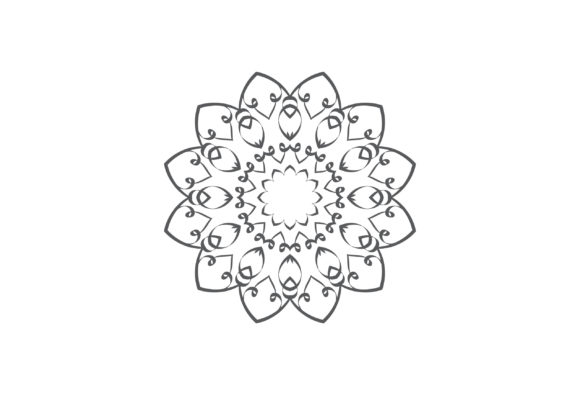
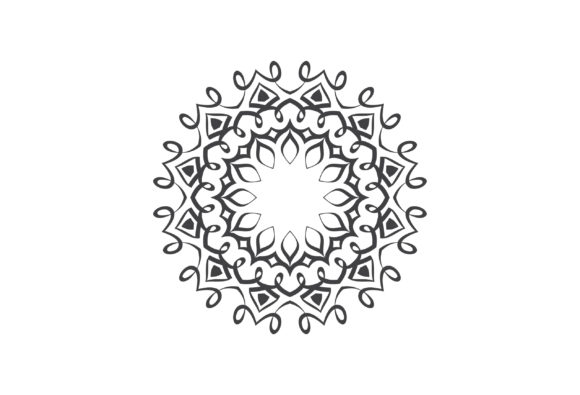
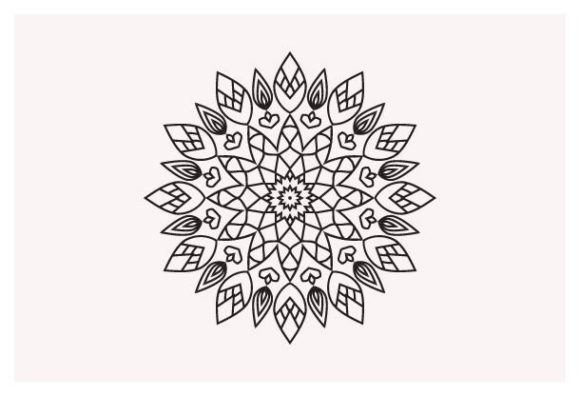
When you first look at the Graphic Art Decorative Border design package, the immediate impression is one of ornate complexity. This isn't a simple solid line or a standard dashed rule. Instead, it functions as a distinct visual element, almost like a custom illustration or a detailed engraving. Think of the intricate frames found on vintage certificates, the elaborate margins of an old book, or the elegant edging used in high-end stationery. The "font" aspect here is less about readable letters and more about a repeating pattern or a scalable vector shape that acts as a frame. Its personality leans heavily into vintage aesthetics, classical elegance, and a touch of gothic or baroque flair. The overall appeal lies in its ability to instantly add a layer of perceived history, craftsmanship, and seriousness to a design. It suggests that the content it surrounds is valuable, official, or worthy of careful attention.
Where This Decorative Style Truly Shines
Understanding the right context for a design asset like Graphic Art Decorative Border is key. Its strength is in projects where you need to establish a strong visual hierarchy and a sense of established authority. For editorial design, such as the cover of a literary magazine, a chapter opener in a book, or a feature article in a print publication, these borders can frame the title beautifully, setting a sophisticated tone before a word of the body copy is read. In brand identity, particularly for businesses in the luxury, artisanal, or heritage sectors—think a fine dining restaurant, a bespoke tailor, a vineyard, or a boutique law firm—incorporating this border style into letterheads, business cards, or menu designs can reinforce a brand perception of quality and tradition.
The applications extend into packaging design, where a decorative border can make a product label stand out on the shelf, conveying premium quality. For digital projects, it can be used strategically. While a full ornate border might be overwhelming on a mobile website, a simplified section of it could serve as a unique divider, a social media profile banner accent, or a frame for a featured testimonial in an email newsletter. Crafters and hobbyists will find immense value in using these graphics for scrapbooking, creating custom invitations, designing printable wall art, or framing digital planners. The key is to match the border's intricate personality with a project that aims for elegance rather than minimalism or casual friendliness.
Practical Guidance for Using Ornate Design Elements
Choosing and implementing a premium font or decorative asset like this requires a thoughtful approach. First, evaluate your project's core message. Does "heritage," "luxury," or "authority" align with your goals? If your brand is modern, minimalist, or tech-focused, this particular style might create a disconnect. Next, consider scale and readability. A highly detailed border works best when it has room to breathe. At small sizes, the intricate details can turn into a visual blur, harming rather than helping your design. Always test it at the intended final size, whether on a printed page or a digital screen.
A critical step is font pairing. Since Graphic Art Decorative Border is a strong visual statement, the typography used alongside it needs to complement, not compete. Pair it with a clean, modern serif font for body text to maintain readability while upholding a classic feel. Alternatively, a simple sans serif font can create a striking contrast, making the border feel even more traditional by comparison. Avoid pairing it with other highly decorative script fonts or handwritten fonts, as this will likely result in visual chaos. The border should be the star, with the text playing a supporting role.
Finally, review the technical details of the asset you've acquired. The provided ZIP file with its JPG is a starting point, but for professional use, you'll often need vector formats (like SVG or EPS) that allow for infinite scaling without loss of quality, or high-resolution PNGs with transparent backgrounds for flexible layering. Always check the licensing terms. A commercial font or asset license is essential if you plan to use the design in products for sale, client work, or widely distributed marketing materials. This ensures your brand identity remains professional and legally sound. By thoughtfully integrating the Graphic Art Decorative Border, you leverage its inherent style to add depth, focus, and a powerful sense of established artistry to your creative projects.