Decorative Spider Thread Pattern. Scary: Weaving a Web of Visual Impact
Understanding the Anatomy of a Gothic Typeface
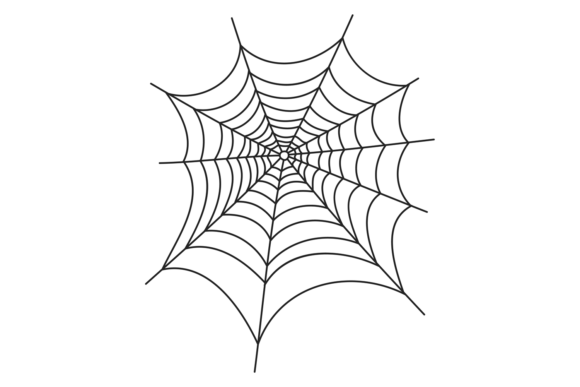
The visual language of fear and elegance often intersect in design, creating a niche where style meets atmosphere. The Decorative Spider Thread Pattern. Scary is a prime example of this intersection. At its core, this typeface is a sophisticated display font designed to evoke the delicate yet ominous nature of an arachnid’s web. Unlike standard serif fonts or clean sans serif fonts, this typeface prioritizes ornamental detail over minimalist legibility. The defining characteristic of this font is its intricate linework, mimicking the fragile, sticky silk of a spider’s trap. The strokes often feature varying weights, tapering into ultra-thin lines that suggest tension and fragility.
When you examine the Decorative Spider Thread Pattern. Scary, you notice the letterforms are not merely letters; they are illustrations. The serifs might dissolve into web-like filaments, or the counter-spaces within the letters could be filled with abstract, gossamer patterns. This gives the font a distinct "horror" personality without relying on crude or cartoonish tropes. It balances the scary aesthetic with a high degree of craftsmanship. It feels vintage, perhaps reminiscent of Victorian gothic typography or Art Nouveau organic shapes, but applied with a modern twist that makes it suitable for contemporary horror branding or seasonal marketing. The overall appeal lies in its ability to be simultaneously beautiful and unsettling.
Strategic Applications for Designers and Marketers
Knowing what a font looks like is only half the battle; knowing where to use it is where the real value lies. For graphic designers and brand strategists, Decorative Spider Thread Pattern. Scary is a specialized tool. It works best in contexts where atmosphere is the primary goal. This is not a font for body text in a corporate report or a legal disclaimer. Its complexity makes it a perfect candidate for display font usage—think large-scale headers, hero images on websites, or the masthead of a magazine.
In the realm of packaging design, this typeface shines for specific products. Consider a craft brewery launching a limited edition stout for Halloween, or a candle company branding a line of "Midnight Forest" scents. Using the Decorative Spider Thread Pattern. Scary immediately signals the product's vibe to the consumer. It tells a story before they even read the flavor notes. Similarly, in editorial design, this font can set the tone for the opening spread of a mystery novel or a themed feature in a lifestyle magazine. It grabs the reader's attention and establishes a mood of intrigue.
For entrepreneurs and small business owners in the events industry, the applications are vast. Haunted house attractions, escape rooms, and themed party invitations can all benefit from this creative font. It serves as a key element in social media graphics, particularly for Instagram stories or Pinterest posts during the autumn season. The font’s intricate nature encourages viewers to pause and look closer, increasing engagement time on a post. However, it is crucial to use this as an accent. Pairing it with a clean, neutral sans serif font or a simple serif font for secondary information is essential to maintain readability and visual hierarchy.
Technical Evaluation and Brand Consistency
When integrating a premium font like Decorative Spider Thread Pattern. Scary into your brand identity, you must consider the technicalities of font pairing and file compatibility. Because this is an ornamental typeface, it carries a heavy visual weight. If you pair it with another decorative or script font, the result will likely be chaotic and unreadable. The best practice is contrast. If the spider thread pattern represents the "scary" or "decorative" aspect of your brand, your supporting typeface should represent the "professional" or "readable" aspect. A geometric sans serif often works best here, providing a stable foundation for the intricate display type.
From a practical standpoint, always check the file formats provided with your design assets. A high-quality offering of this font should include vector formats like EPS and SVG, which are perfect for scaling the design to massive sizes for signage or billboards without losing clarity. Additionally, transparent PNG files are invaluable for content creators who want to overlay the web pattern onto photographs in software like Canva or Photoshop without dealing with white box backgrounds. This versatility is a hallmark of a well-designed commercial font package.
Finally, consider the licensing. If you are a publisher or a business owner using this for commercial merchandise (like T-shirts or mugs), ensure you have the appropriate commercial license. While free fonts are tempting, a premium font ensures legal safety and often comes with better kerning and glyph support. The Decorative Spider Thread Pattern. Scary is an investment in your project's atmosphere. By treating it as a specialized tool rather than a general-purpose text solution, you can weave a visual narrative that captivates your audience and elevates your modern typography to an art form.